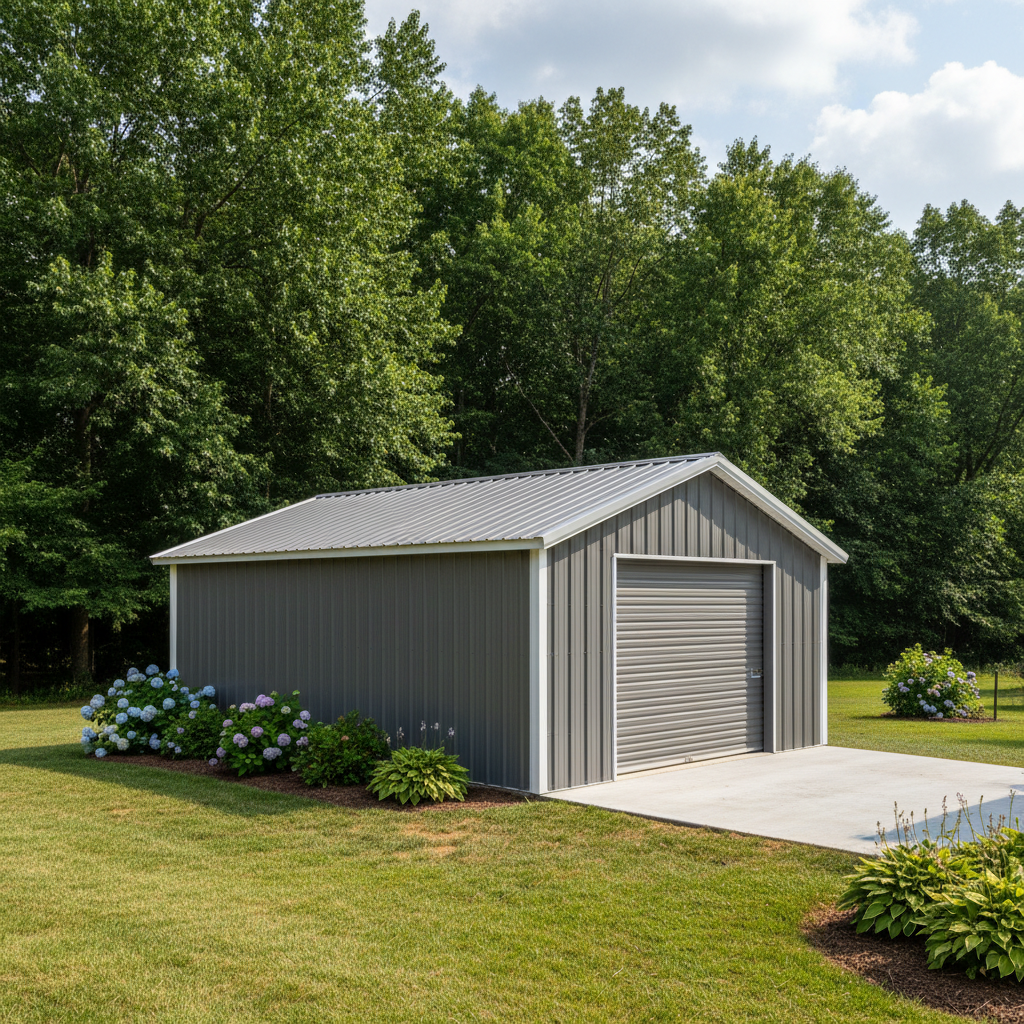
Your Metal Shed Needs a Little Love, Even in Knoxville
You bought a metal shed because it's tough, right? Durable, low maintenance, built to last. And you're not wrong, not at all. A good, solid steel frame shed from Apex Metal Buildings or any other reputable outfit is a fantastic investment. But "low maintenance" doesn't mean "no maintenance." Especially here in Knoxville, with our humid summers, freezing winters, and those pop-up thunderstorms that can really dump some rain, you've got to keep an eye on things if you want that shed to truly stand the test of time.
I've seen plenty of sheds around town that could've lasted decades longer with just a little regular attention. Don't let yours end up as one of the neglected ones.
Extending Your Shed's Lifespan: It's Easier Than You Think
The biggest thing you can do to make your metal shed last is pretty simple, honestly: keep it clean and keep water away from the foundation. Sounds basic, sure, but that's where most problems really start.
- Keep Gutters Clear: If your shed has gutters, clean 'em out at least twice a year. Spring and fall are usually good times for this. Clogged gutters mean water overflowing, running down the sides of your shed, and pooling around the base. That's practically an invitation for rust and foundation issues.
- Trim Back Foliage: Branches rubbing against the roof or sides can scratch the protective coating, which then leads to rust. Plus, dense bushes around the base just keep moisture trapped. Give your shed some breathing room, won't you?
- Check Your Drainage: Walk around your shed during a heavy rain. Is water pooling anywhere? You want water to flow away from the foundation, not toward it. Sometimes a simple French drain or some added gravel can make a huge difference.
- Mind the Foundation: Even if it's just a gravel base, make sure it's level and not eroding. If you're on a concrete slab, check for cracks or settling.
What Regular Maintenance Looks Like
Beyond the big stuff, there are a few routine checks that'll save you headaches down the road. I usually tell folks to do a quick once-over every six months – maybe when you're changing your HVAC filters or checking your smoke detectors.
- Wash it Down: A good wash with mild soap and water once a year does wonders. It removes dirt, pollen, and any grime that can hold moisture against the metal. A pressure washer on a low setting is fine, but don't blast it too hard, especially around seams.
- Inspect for Scratches and Dings: Small scratches can turn into big rust spots if you just leave them alone. Grab a can of touch-up paint that matches your shed's color (your original builder should be able to provide this or tell you the color code). Clean the area, lightly sand any rust, prime, and paint.
- Check Fasteners: Screws and bolts can loosen over time, especially with our temperature swings here in Knoxville. Give them a snugging up. Don't overtighten, but make sure everything's secure. Look for any missing caps on screws, too; those protect the fastener heads from moisture.
- Door and Window Seals: Make sure they're still tight and not cracked or peeling. A little silicone caulk can go a long way in preventing leaks. And don't forget to lubricate hinges and latches so they operate smoothly.
Warning Signs You Shouldn't Ignore
Your shed will usually tell you when something's wrong, you just have to know what to listen for. Or, in this case, look for.
- Rust Spots: Any rust, big or small, is a red flag. Address it immediately. A small spot can spread like wildfire.
- Water Stains Inside: This is a clear sign of a leak. Trace it back to its source – could be a loose panel, a failing seal, or a roof issue.
- Loose or Rattling Panels: High winds, like we get when those summer storms roll through from the Smokies, can put a lot of stress on panels. If you see or hear anything loose, get it secured before it tears off completely.
- Sagging or Uneven Foundation: If your shed starts to look lopsided, or doors and windows aren't closing right, you might have a foundation issue. This is serious and needs attention.
- Pest Infestation: While metal sheds are great at keeping critters out, gaps can form. Look for signs of wasps, rodents, or other pests trying to make a home in your shed.
When to Call a Professional
Look, I'm a big believer in DIY, but there are times when you need to bring in the pros. If you're seeing any of these, it's time to pick up the phone:
- Extensive Rust: If you've got large areas of rust, especially on structural components, you might need panel replacement or more serious repair.
- Major Leaks: If you can't find the source of a leak, or it's a persistent problem after your own attempts, a professional can pinpoint and fix it.
- Foundation Problems: This isn't a DIY job for most folks. Sagging, shifting, or significant cracking in the foundation requires specialized knowledge.
- Structural Damage: If a tree fell on your shed, or a vehicle backed into it, you're looking at structural repairs that need an expert.
- Electrical Issues: If your shed has power and you're having electrical problems, always call a licensed electrician. Don't mess with that yourself.
A little proactive care goes a long way. Your metal shed is an investment, and with a bit of attention, it'll serve you well for decades to come here in East Tennessee.