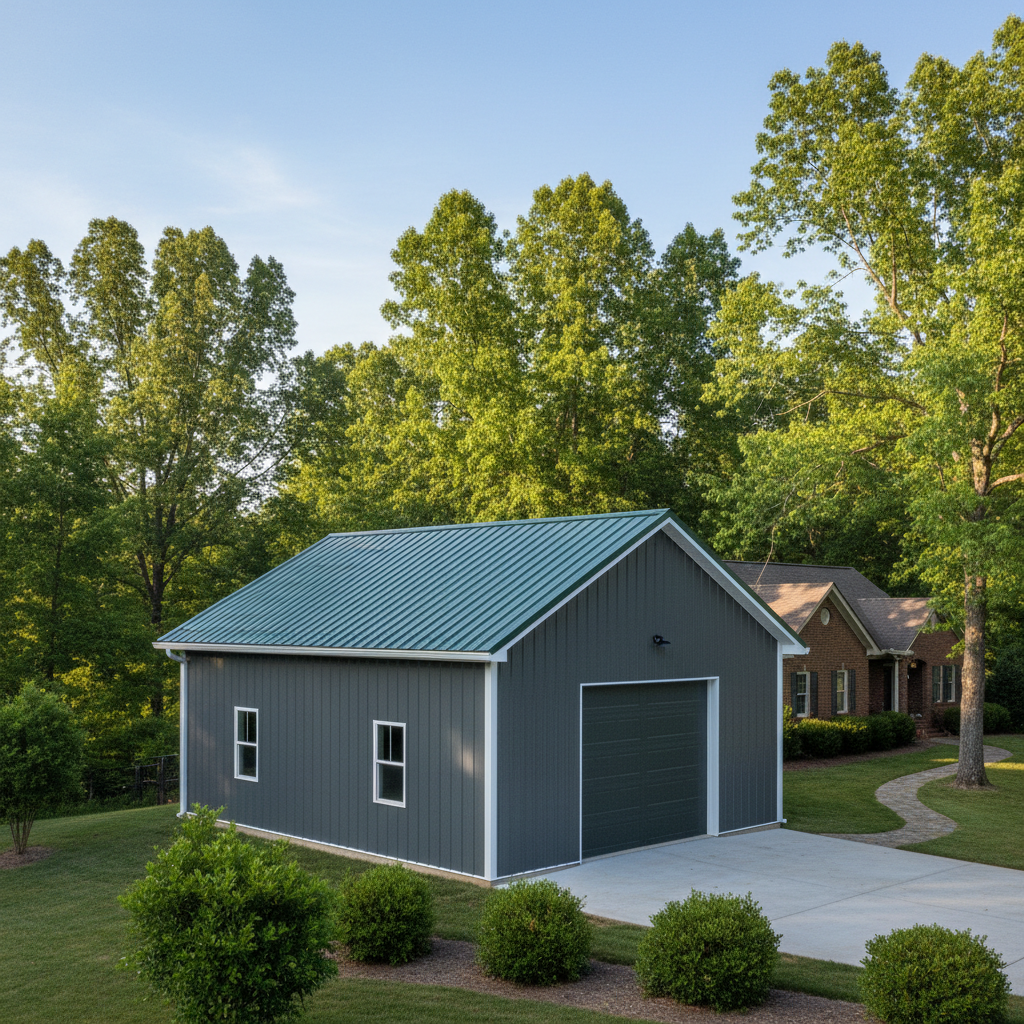
So, you’re thinking about a new metal building. Maybe it’s for a workshop, a new garage, or just a spot to keep your boat. That’s fantastic! But before we even start digging, we really need to talk about timing. Knoxville weather, bless its heart, isn't always on our side, and knowing the best time to schedule your install can honestly save you a ton of trouble – and a good chunk of cash, too.
When’s the Best Time to Build?
Look, there's no single "perfect" day, or even season, but some windows are definitely better than others. Here’s what I’ve learned over the years, working right here in East Tennessee:
- Spring (March-May): This often feels like a sweet spot. The ground’s finally thawed after winter, and while you’ll probably get your share of rain, it’s usually not the torrential, all-day downpours we see later in the summer. Temperatures are mild, which is good for the crew and for handling materials. The biggest hurdle? Everyone else wants to build in the spring too, so lead times for materials and getting a crew scheduled can stretch out. Plan ahead, seriously.
- Summer (June-August): You might think summer’s ideal – long days, no freezing temps. And sometimes it is, but you’ve got to deal with the heat and humidity. Our Knoxville summers can be brutal; temperatures often hit the 90s and feel even hotter. That’s tough on a crew working with heavy steel. We also get those sudden thunderstorms that can shut down a site for hours, sometimes even days, if the ground turns too muddy. Plus, the sun beating down on metal panels during installation isn’t exactly a picnic.
- Fall (September-November): Another really solid window. The heat breaks, the humidity drops, and you generally get more consistent, drier weather. It’s a bit like spring, but with fewer surprises. The days are getting shorter, sure, but it’s still comfortable for working. This is often when we see things really move along smoothly.
- Winter (December-February): This is the trickiest time. Freezing temperatures mean frozen ground, which makes site prep and foundation work a nightmare. You can’t pour concrete when it’s too cold, and snow or ice can stop everything completely. We do installs in winter, especially if it’s a mild one, but you have to be ready for delays. If we get a cold snap like the one we had last January, where everything froze solid for a week, your project just stops.
Weather Conditions That Affect the Job
It’s not just about the season; it’s about the daily conditions. Here’s what we’re always keeping an eye on:
- Rain: A light drizzle usually isn’t a problem, but heavy rain makes the site muddy and unsafe. We can’t use heavy equipment on slick ground, and it’s dangerous for the crew to be handling large, slippery metal panels.
- Wind: This is a big deal for metal buildings. Those large panels act like sails, you know? Even moderate winds can make it incredibly dangerous to lift and secure them. We have strict safety rules, and if the wind’s too high, we simply can’t go ahead with certain parts of the installation.
- Extreme Temperatures: As I mentioned, super-hot or super-cold weather slows things down. It’s a safety issue for the crew, and it can affect the materials too, especially how long concrete takes to cure.
Protecting Your Investment Year-Round
Once your Apex Metal Buildings structure is standing, you’ve made a solid investment. Now, how do you keep it looking good and performing well?
- Regular Inspections: Walk around your building a couple of times a year. Look for loose fasteners, damaged trim, or anything that seems out of place. After a big storm, especially if we’ve had some strong winds or hail, it’s a smart move to check for damage.
- Keep it Clean: Dirt, leaves, and other debris can build up in gutters and around the base, which can lead to rust or drainage problems. A good wash-down with a hose and a soft brush once a year can really help. Just don’t use harsh chemicals or pressure washers that are too powerful; they can damage the finish.
- Check Drainage: Make sure water is flowing away from your foundation. Our clay soils around Knoxville don’t drain super fast, so proper grading and gutters that actually work are crucial to stop water from pooling against the slab.
- Sealants and Caulking: Over time, sealants around doors, windows, and trim can break down. Keep an eye on them and re-caulk as needed to prevent water from getting inside.
- Ventilation: If your building isn’t insulated, good ventilation is key to preventing condensation, especially with our humid summers. Make sure vents aren’t blocked.
Planning your metal building project in Knoxville means thinking about more than just the design. It means understanding our local climate and how it impacts construction. Talk to us early, and we can help you schedule your project for the best possible outcome. We want your building to go up smoothly and last for decades.