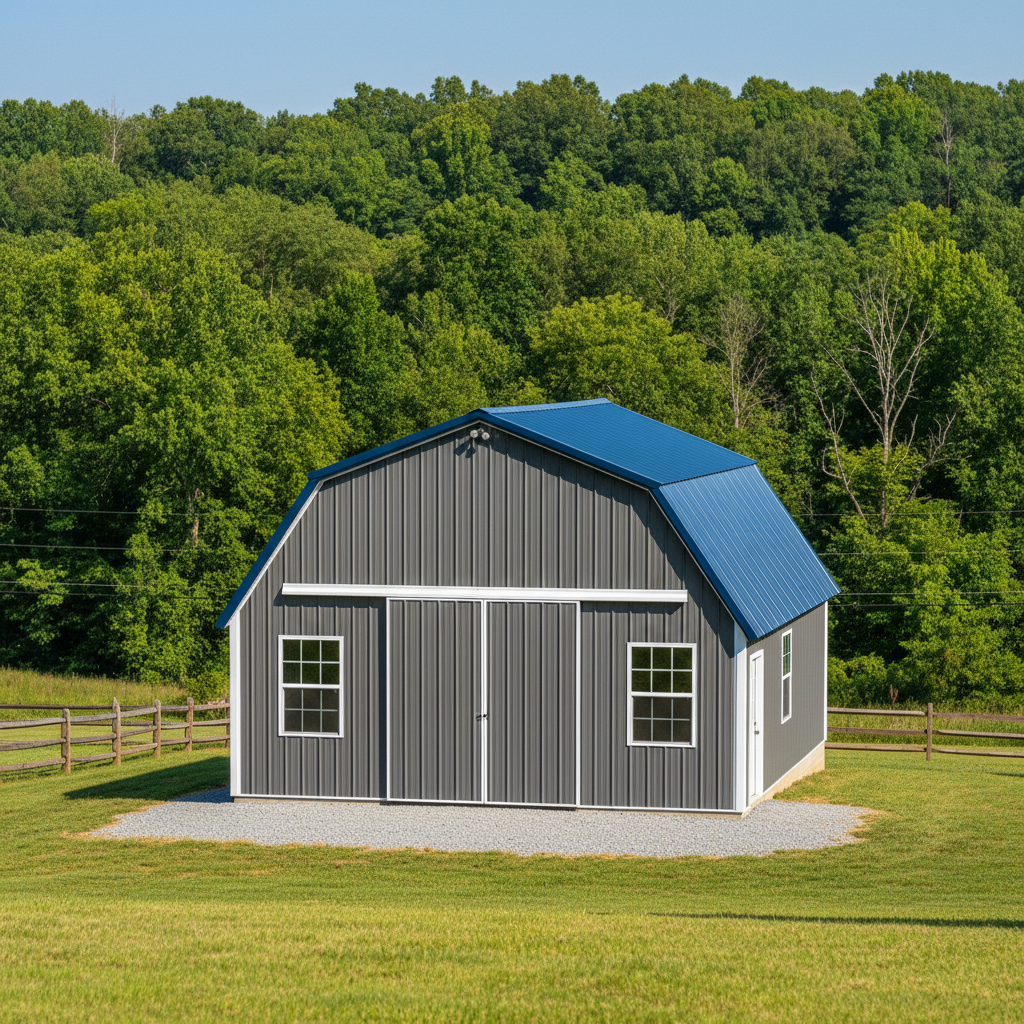
So, you're thinking about a pole barn, maybe for storage, a workshop, or even a future barndominium. That's a smart move here in Knoxville; they're super versatile and built to last. But folks often ask me, "When's the best time to build?" or "What do I need to worry about with our weather?" Good questions, and they deserve straight answers.
Timing Your Knoxville Pole Barn Project
Honestly, you can put up a pole barn pretty much any time of year, but some seasons are definitely easier on the crew and the schedule. Here's my take:
- Spring (March-May): This is a popular time, and for good reason. The ground's thawed, and you get a lot of moderate days. The downside? You're competing with everyone else for crews and materials, and we get a fair bit of rain. Those spring showers can definitely slow things down, especially if we're dealing with a site that doesn't drain well. If your property has a lot of clay soil, like you see in parts of West Knoxville, heavy spring rains can turn a job site into a muddy mess, making it tough to get equipment in and out.
- Summer (June-August): Hot, humid, and sometimes stormy. We can work through the heat, but it means earlier starts and more breaks for the crew. Afternoon thunderstorms are common, and they can roll in fast, putting a halt to any work involving open structures or electrical. If you're pouring concrete, you've got to be mindful of the heat and how it affects the cure. Plus, those pop-up storms can bring high winds, which are a definite no-go for raising walls or trusses.
- Fall (September-November): This is often my favorite time to build. The heat breaks, the humidity drops, and you get a lot of clear, crisp days. Less rain than spring, fewer extreme heat warnings than summer. It's usually a pretty smooth season for construction.
- Winter (December-February): We don't get super harsh winters here, but we do get cold snaps, ice, and occasional snow. Freezing temperatures can impact concrete pours, and icy conditions make everything slower and more dangerous. If you're planning a winter build, you need to be prepared for potential delays due to weather. We've certainly built plenty of structures in winter, but you just have to be realistic about the timeline.
The bottom line for scheduling? Plan ahead, be flexible, and understand that weather delays are just part of building outdoors in East Tennessee. A good contractor, like us at Apex Metal Buildings, will keep you informed every step of the way.
Weather Conditions That Affect the Work
Beyond just the season, specific weather conditions can really impact a pole barn build:
- Rain: Obvious, right? But it's not just about getting wet. Heavy rain can make the ground impassable for heavy equipment, wash out foundations, and make it unsafe to work with power tools or on ladders. We can't pour concrete in standing water, and we certainly can't be putting up steel in a downpour.
- Wind: This is a big one for metal buildings. Even moderate winds can make it dangerous to lift large panels or trusses. We're talking about safety here – for the crew and for the structure itself. If the wind picks up, we'll pause work until it's safe.
- Extreme Temperatures: Both very hot and very cold weather affect the crew's endurance and the materials. Concrete curing is sensitive to temperature, and working with metal in freezing temps can be tough on equipment and hands.
- Lightning: Any sign of lightning, and we're off the site. There's no compromising on that.
We monitor the forecast constantly, and we'll always prioritize safety and quality over rushing a job in bad weather.
Protecting Your Pole Barn Investment Year-Round
Once your pole barn is up, you want it to last, right? They're tough structures, but a little proactive care goes a long way. Here's what I recommend for year-round protection:
- Drainage is King: Make sure water flows away from your foundation. Gutters and downspouts are a smart investment if you don't have them, directing water well away from the base. Standing water around the posts is just asking for trouble over time.
- Inspect for Damage: After any big storm – especially those summer thunderstorms with high winds or winter ice storms – do a quick walk-around. Look for any loose fasteners, bent panels, or clogged gutters. Catching small issues early prevents big, expensive ones later.
- Keep it Clean: Dirt and debris can accumulate on the roof and siding. A good rinse with a hose a couple of times a year keeps it looking good and prevents any long-term buildup that could hold moisture.
- Check Doors and Windows: Make sure they're sealing properly. Our temperature swings can cause materials to expand and contract, sometimes affecting seals. A good seal keeps out moisture, pests, and drafts.
- Ventilation: If your pole barn is enclosed, especially if you're using it for storage or a workshop, make sure you have adequate ventilation. This prevents condensation buildup, which can lead to rust on tools or damage to stored items.
A pole barn is a great investment for any property owner in Knoxville. With a little planning for our local climate and some basic year-round care, you'll get decades of reliable service out of it. If you've got questions about a new build or maintaining your existing structure, give us a call. We're always here to help.